
Understanding CBN Abrasives: The Key to Precision Grinding
5/13/20262 min read
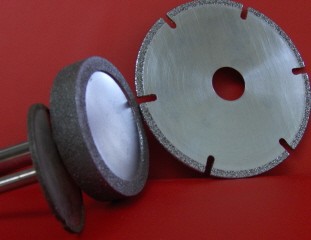
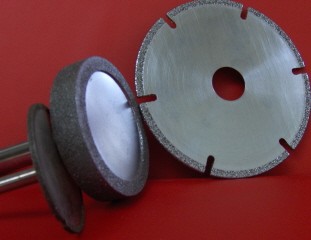
What is CBN Abrasive?
CBN abrasive, or cubic boron nitride abrasive, is derived from synthetic crystals that are engineered under high-pressure and high-temperature conditions. This exceptional material boasts a hardness that is second only to diamond. Its significance in manufacturing extends beyond mere hardness; it exhibits formidable thermal stability and excellent chemical compatibility with iron-based materials.
This is the primary reason CBN is frequently specified for precision grinding of hardened tool steels, bearing steels, high-speed steels, cast irons, and certain superalloys. Unlike conventional aluminum oxide wheels, which may degrade and require frequent dressing, CBN tools excel by maintaining their cutting action and geometry considerably longer. This remarkable endurance significantly benefits operations during long production runs.
How CBN Differs from Conventional Abrasives
When evaluating grinding materials, understanding how CBN compares to conventional abrasives such as aluminum oxide or silicon carbide is crucial. Conventional abrasives have their advantages; they are often more economically accessible, widely available, and well-suited for less demanding applications. If the process involves softer materials, loose tolerances, or limited production volumes, choosing a conventional wheel may be the optimal decision.
However, CBN abrasives distinguish themselves under precise conditions. When grinding hardened steels, CBN generally maintains a cooler operation, retains its shape more effectively, and has a slower wear rate compared to traditional options. These attributes lead to lower burn risks while preserving part geometry across operations, which can lead to significant gains in repeatability during dressing cycles or tool changes.
The Benefits of CBN Abrasives in Precision Grinding
CBN abrasives provide several advantages that enhance their application in precision grinding. The main benefits include tighter size control, reduced heat generation, lower wheel wear, and consistent finishing across extensive production runs. Due to these qualities, manufacturers have increasingly turned to CBN for applications involving hardened materials.
For instance, in plated tools, the CBN grit is secured in a single layer onto a tool body using a metal matrix, frequently nickel. This construction is particularly advantageous in applications where form retention is crucial. Unlike vitrified wheels that continuously expose new layers of abrasive, a plated CBN wheel delivers predictably controlled geometry, ensuring superior performance in precise manufacturing tasks such as form grinding and jig grinding.
In conclusion, the question of "what is CBN abrasive" leads to a deeper understanding of its importance in precision grinding applications. As industries increasingly demand exacting standards, the distinctive benefits offered by CBN make it a preferred choice for a wide array of demanding machining tasks, notably where other abrasives fall short.